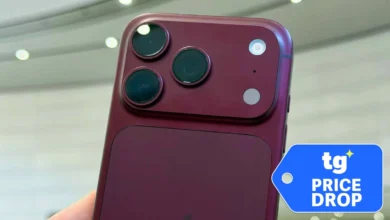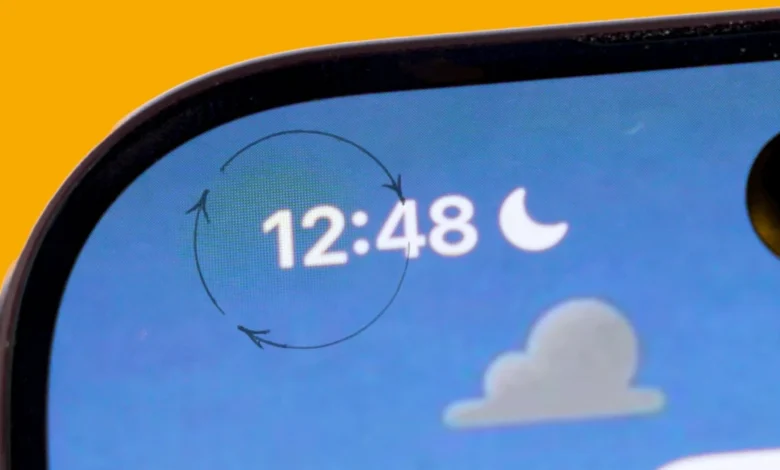
The recent launch of the Apple iPhone 18 Pro and iPhone 18 Pro Max has brought forth a notable hardware design shift that has caught the attention of early adopters and display enthusiasts alike. Users have reported observing a subtle, localized pixelation or discoloration in the top-left corner of their devices, specifically near the system clock. While this visual irregularity has prompted concern regarding manufacturing defects, technical analysis confirms it is an intentional design consequence of Apple’s latest under-display engineering.
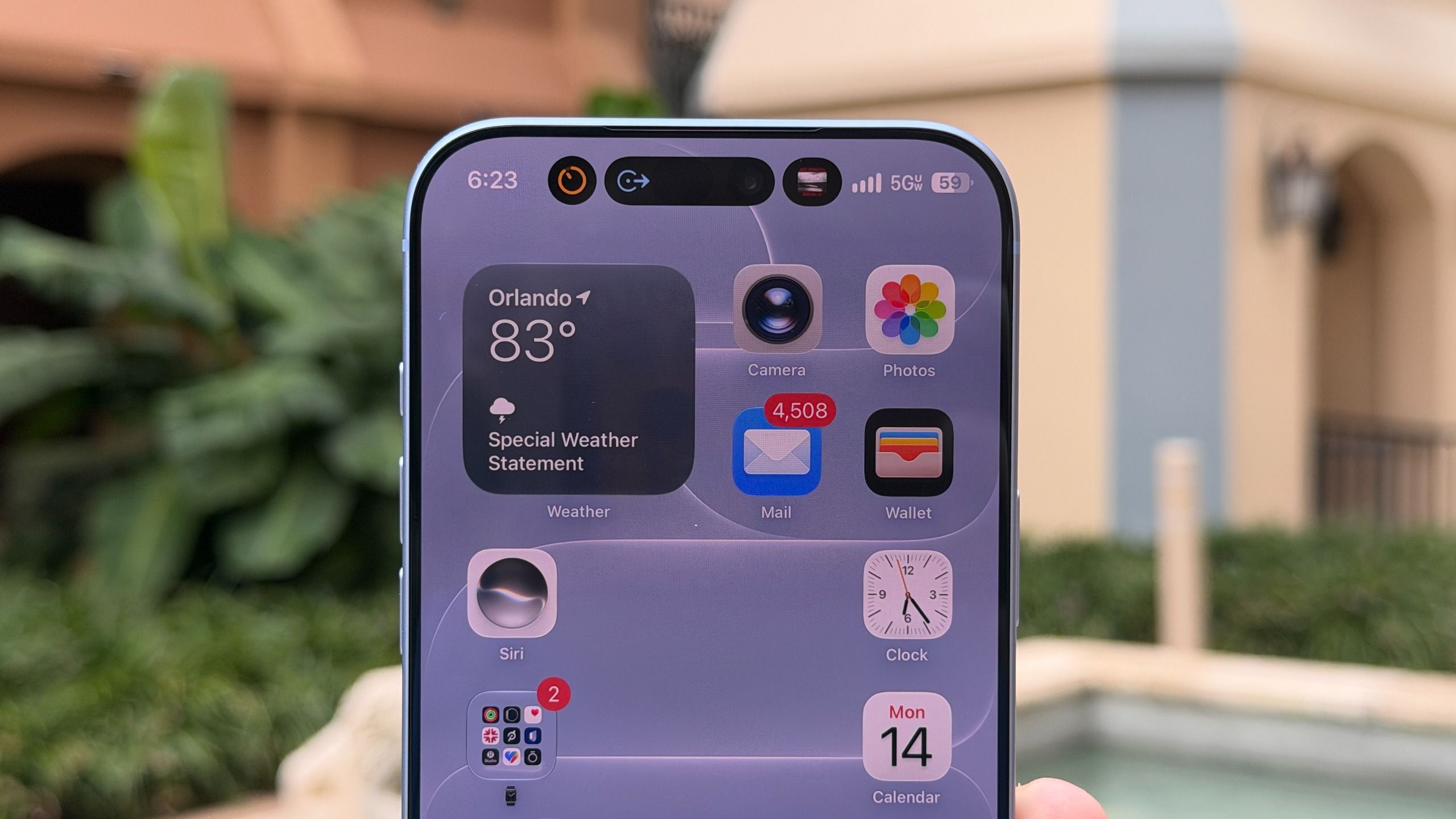
To achieve a more streamlined aesthetic and increased functionality, Apple has fundamentally re-engineered the front-facing sensor array of the iPhone 18 Pro series. The primary driver behind this visual anomaly is the integration of the Face ID infrared (IR) camera beneath the OLED panel. This strategic hardware relocation was necessitated by the requirement to shrink the Dynamic Island, allowing the device to support up to three simultaneous Live Activities, an upgrade from the two-activity limit seen in previous iterations.
Chronology of the Dynamic Island Evolution
The Dynamic Island, introduced with the iPhone 14 Pro, replaced the long-standing "notch" design, marking a transition toward a more interactive software-hardware interface. Over the past several hardware cycles, Apple has incrementally reduced the physical footprint of the sensor housing.
- iPhone 14 Pro (2022): The introduction of the Dynamic Island consolidated the front-facing camera and TrueDepth sensors into a pill-shaped cutout, effectively blending hardware hardware with UI animations.
- iPhone 15/16/17 Series: Iterative refinements focused on sensor optimization and software integration, though the physical housing remained largely consistent in its requirement to house the IR emitter and camera components.
- iPhone 18 Pro (2026): Representing a significant departure, Apple successfully relocated the infrared camera beneath the display layer. By shifting this component away from the primary Dynamic Island cluster, the company was able to reduce the island’s dimensions, providing more usable screen real estate.
Engineering the Under-Display Integration
The technical challenge of placing a camera beneath an OLED panel involves balancing light transmission with display opacity. For an infrared camera to function, the display pixels above it must be sufficiently transparent to allow IR light to pass through to the sensor.
In the iPhone 18 Pro, this is achieved through a specialized pixel matrix. The region of the display covering the IR sensor features a modified layout with larger gaps between individual pixels. These gaps act as optical apertures, permitting infrared light to penetrate the display stack without significant interference. Under standard ambient lighting conditions, this modified layout is virtually imperceptible to the average user. However, when the display renders specific colors—particularly in the vicinity of the system clock—the difference in pixel density can occasionally manifest as a slight variation in light uniformity.
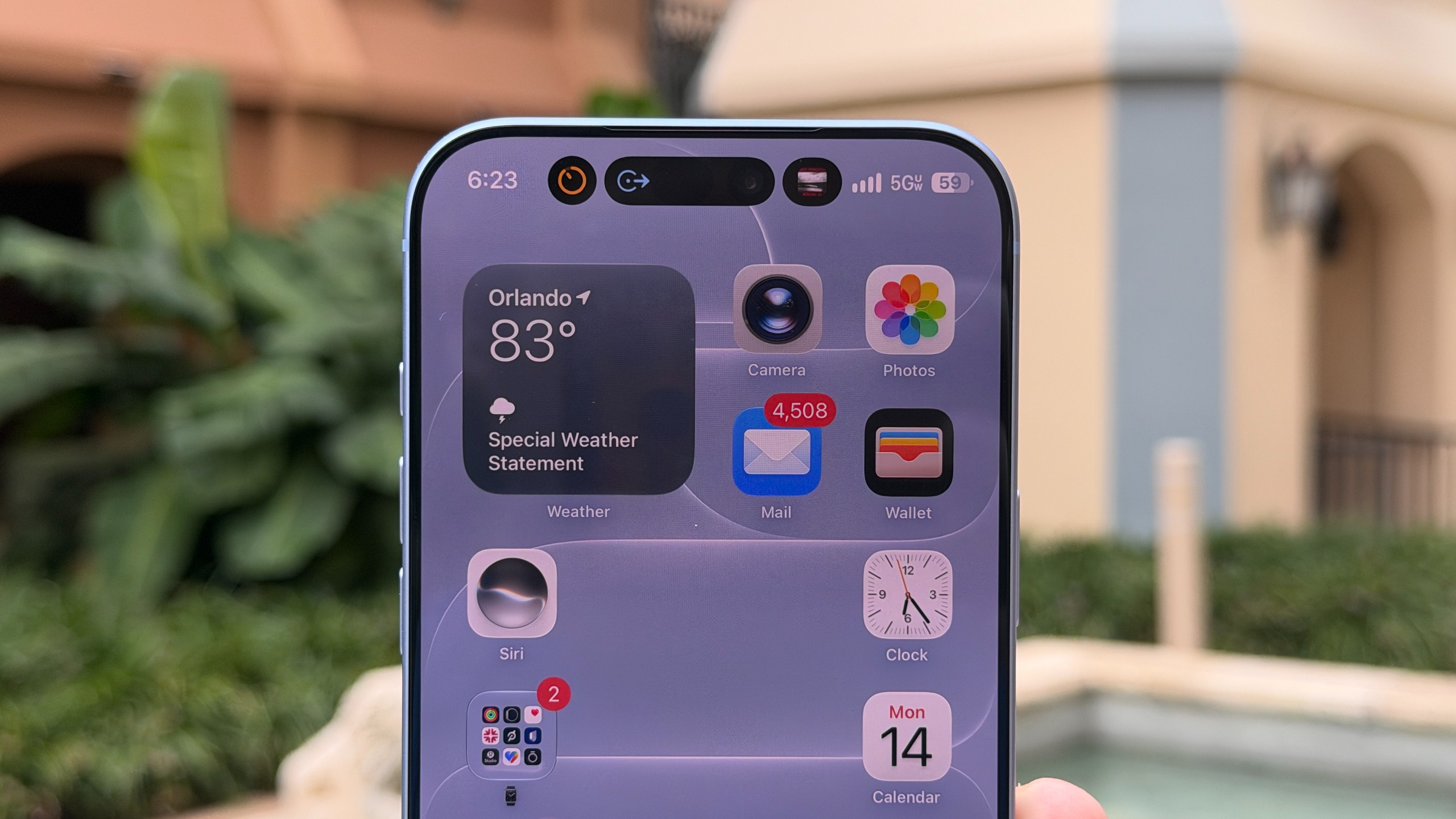
This is a physical property of the display’s architecture rather than a defect. As noted by technical teardowns conducted by organizations such as iFixit, the pixel structure in this specific region must differ from the surrounding LTPO (Low-Temperature Polycrystalline Oxide) OLED matrix to facilitate the sensor’s operation.
Data and User Response
Initial reactions to the display’s appearance have been polarized. Analysis of social media discourse and early user reviews indicates that while a significant portion of the user base finds the visual anomaly negligible or entirely invisible, a vocal minority has expressed dissatisfaction.
Technical forums, including Reddit, have hosted extensive discussions regarding the visibility of the sensor area. Reports suggest that the phenomenon is most visible when the device is displaying high-contrast content, such as black text on a solid white background. Conversely, in dark mode or when viewing complex images, the variance in pixel density remains largely hidden.
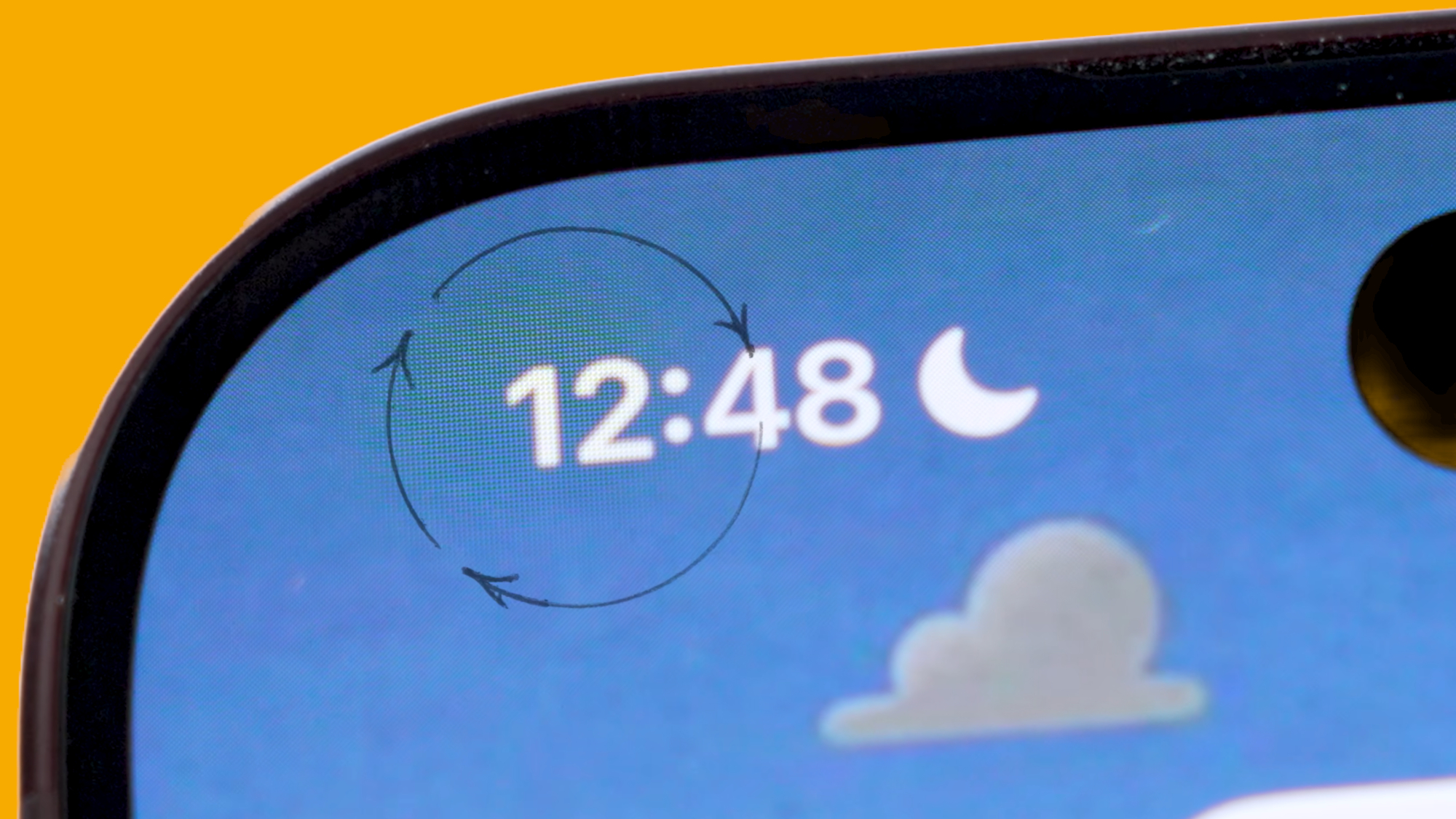
The divide in user experience likely stems from individual sensitivity to screen uniformity. High-resolution OLED panels are calibrated to provide perfect uniformity; any deviation, regardless of how minor, becomes a focal point for users accustomed to the standard. Apple has not issued a formal statement characterizing these reports as a manufacturing error, reinforcing the industry consensus that this is an inherent characteristic of the new display technology.
Broader Implications for Mobile Design
The move toward "true" under-display sensors represents a long-term goal for the smartphone industry: a completely bezel-less, uninterrupted display surface. Apple’s approach with the iPhone 18 Pro serves as a transitional milestone.
- Sensor Minimization: By moving the IR camera, Apple has demonstrated a commitment to reducing the footprint of the sensor suite. This suggests that future iterations may eventually see the primary selfie camera and other sensors also moved under the display, provided the light-transmission technology matures.
- Software-Hardware Synergy: The ability of the Dynamic Island to now handle three concurrent Live Activities highlights that the trade-off—a minor localized pixelation—is being prioritized in favor of increased multitasking capabilities. This shift aligns with broader trends in mobile computing, where device intelligence and background task management are increasingly prioritized over pure hardware simplicity.
- Manufacturing Benchmarks: The industry-wide challenge remains the "screen-door effect" or uneven brightness in areas covering sensors. The iPhone 18 Pro demonstrates that high-end consumer hardware is nearing a point where under-display sensors are viable for mass-market adoption, though the current implementation requires compromises in display perfection.
Future Outlook and Conclusion
The iPhone 18 Pro marks a pivotal step in the evolution of display technology. While some users may perceive the pixelation near the clock as an aesthetic imperfection, it is, in reality, a sophisticated piece of engineering designed to enhance the phone’s functional capabilities.
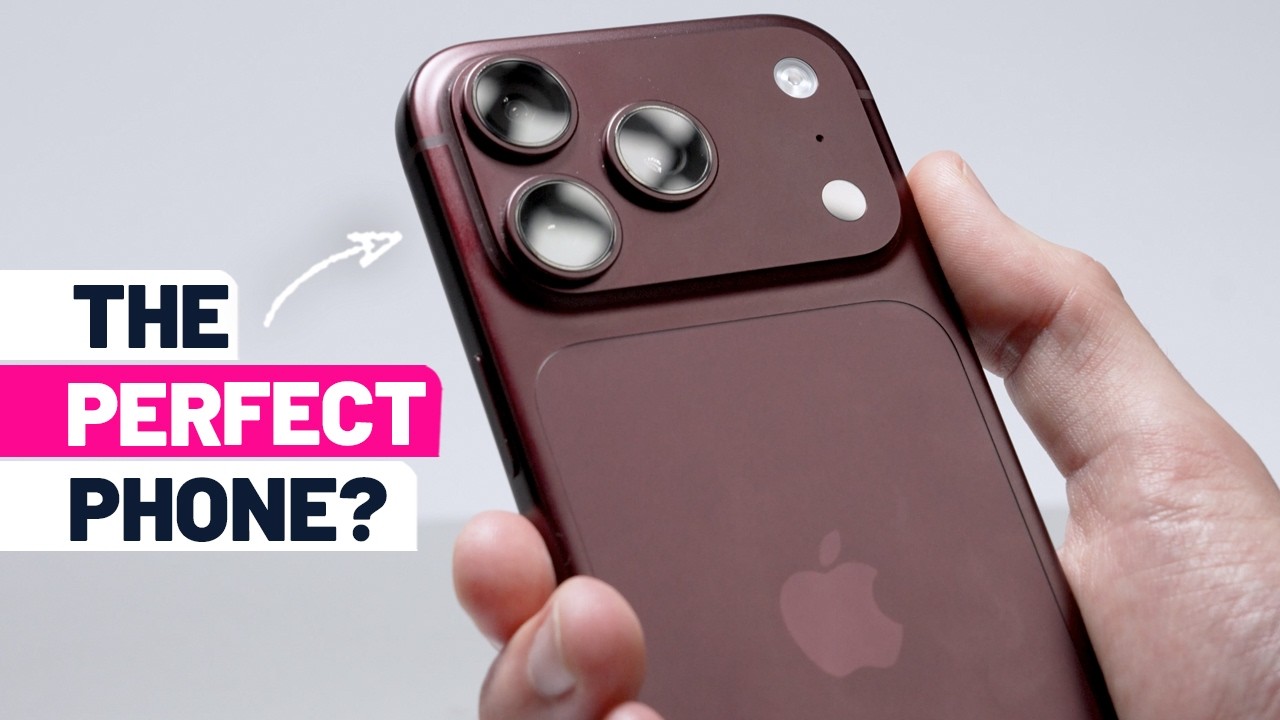
As Apple continues to refine its under-display sensor technology, it is likely that future software algorithms will be developed to further mask these discrepancies through sub-pixel rendering and brightness compensation. For now, the iPhone 18 Pro serves as a testament to the ongoing tension between design minimalism and the functional necessity of front-facing sensors.
For the average consumer, the "issue" does not impact the device’s longevity, camera performance, or Face ID security protocols. It remains an example of the trade-offs often required at the cutting edge of consumer electronics. As the market moves toward devices that are essentially "all-screen," users should expect that the methods used to hide sensors will continue to improve, eventually rendering such visible anomalies a relic of this current generation of hardware.
Related posts: